

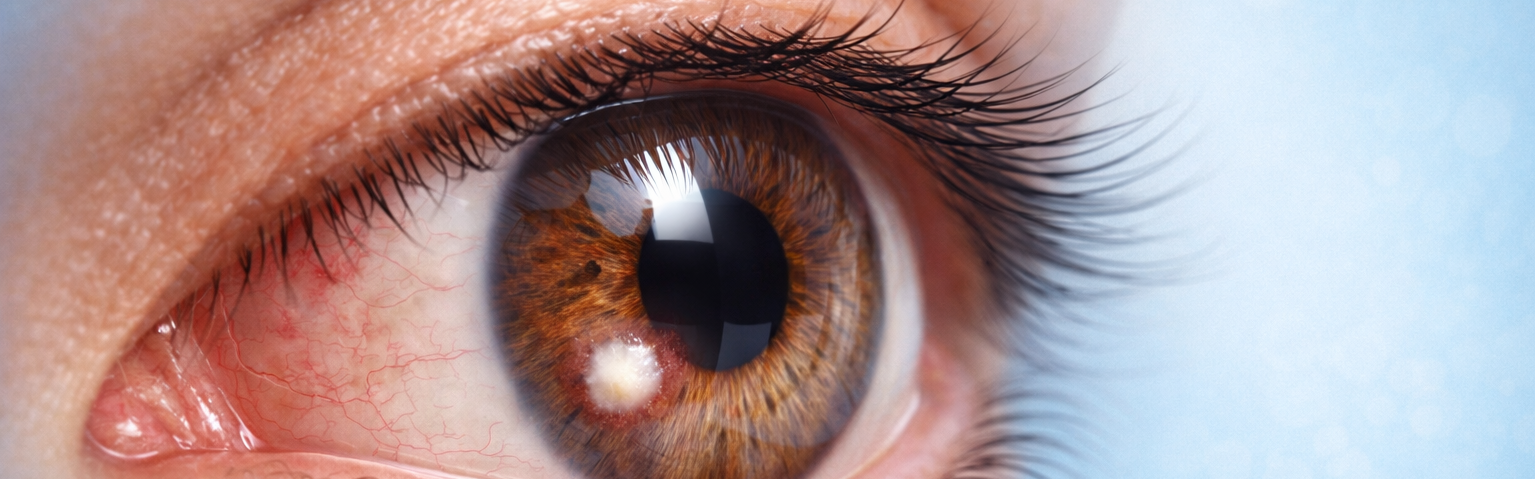
Eye Allergy (Allergic Conjunctivitis):
Relief from Itch & Redness
Constant itching, watering, or swollen eyes? Seasonal changes and pollution in Raipur & Chhattisgarh often trigger allergic conjunctivitis. Get expert relief today.
Direct WhatsApp: 7880177784
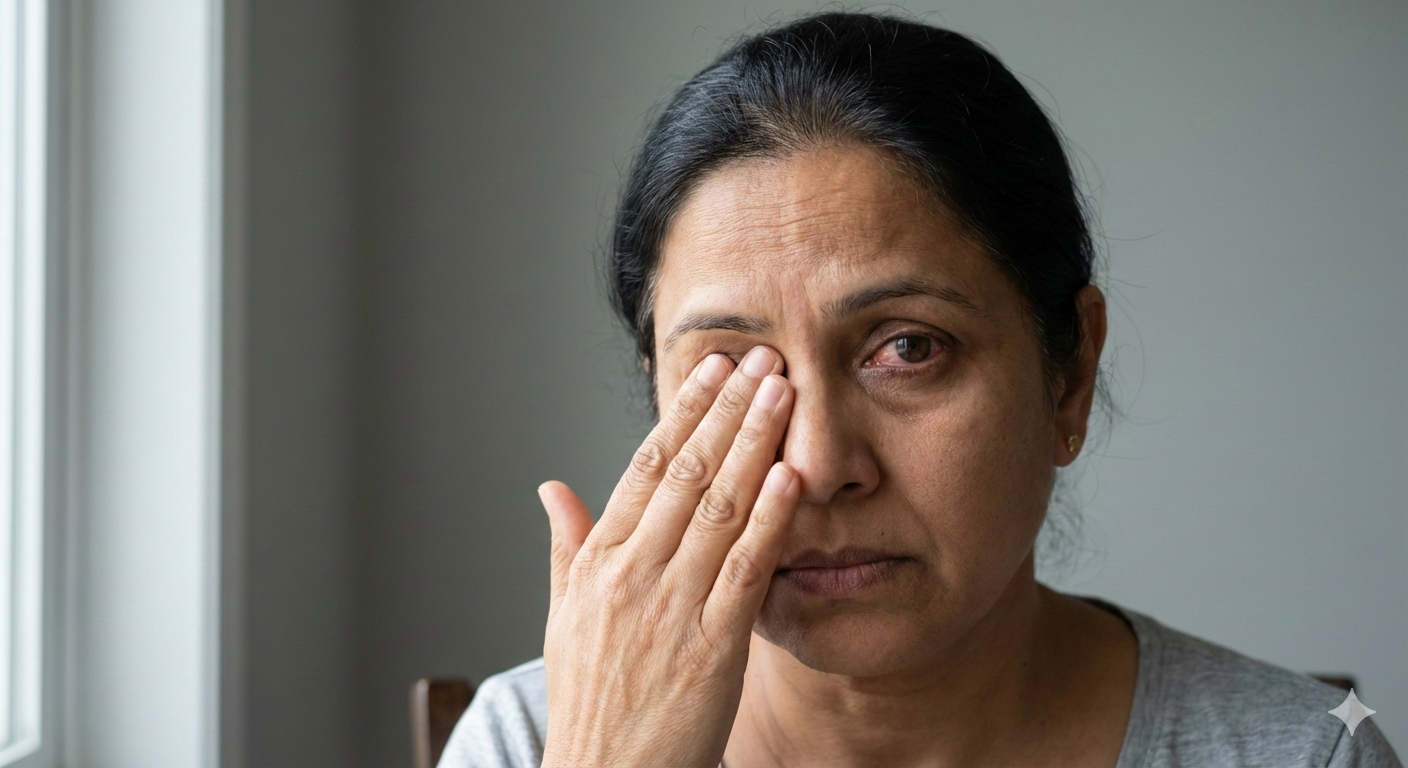
What Is Eye Allergy?
Eye allergy, or allergic conjunctivitis, occurs when your eyes react to irritants like dust, pollen, or smoke. The immune system mistakenly defends against these substances by releasing histamines, which cause inflammation. In industrial hubs like Raipur, Bhilai, and Korba, high particulate matter in the air makes this condition very common.
Fig 1: Common environmental triggers that cause eye allergies.
Common Triggers
🏭 Pollution & Dust
High AQI and construction dust are major triggers in urban Chhattisgarh.
🌸 Seasonal Pollen
Flowering plants and changing weather often cause "Spring Catarrh".
🐾 Pet Dander
Microscopic skin flakes from cats or dogs can cause immediate itching.
💄 Cosmetics
Expired makeup or contact lens solutions can irritate sensitive eyes.
Symptoms: Is it an Allergy?
Unlike bacterial infections, allergies usually affect both eyes simultaneously.
- Intense itching (the hallmark symptom)
- Redness in the white part of the eye
- Watery, clear discharge (not sticky/yellow)
- Swollen, puffy eyelids
- Burning or stinging sensation
- Sensitivity to light
Did You Know?
Rubbing makes it worse!
Rubbing your eyes releases more histamine, which increases the itching. It creates a vicious cycle. Instead, try a cold compress or consult a doctor for anti-allergic drops.

Dr. Charudutt Kalamkar (MBBS • MS AIIMS)
Dr. Charudutt Kalamkar is a distinguished ophthalmologist trained at AIIMS, New Delhi. He specializes in diagnosing the root cause of chronic allergies and providing long-term relief plans.
Why Patients Trust Him: He moves beyond temporary relief drops to identify allergens and strengthen your eye's natural defense.