

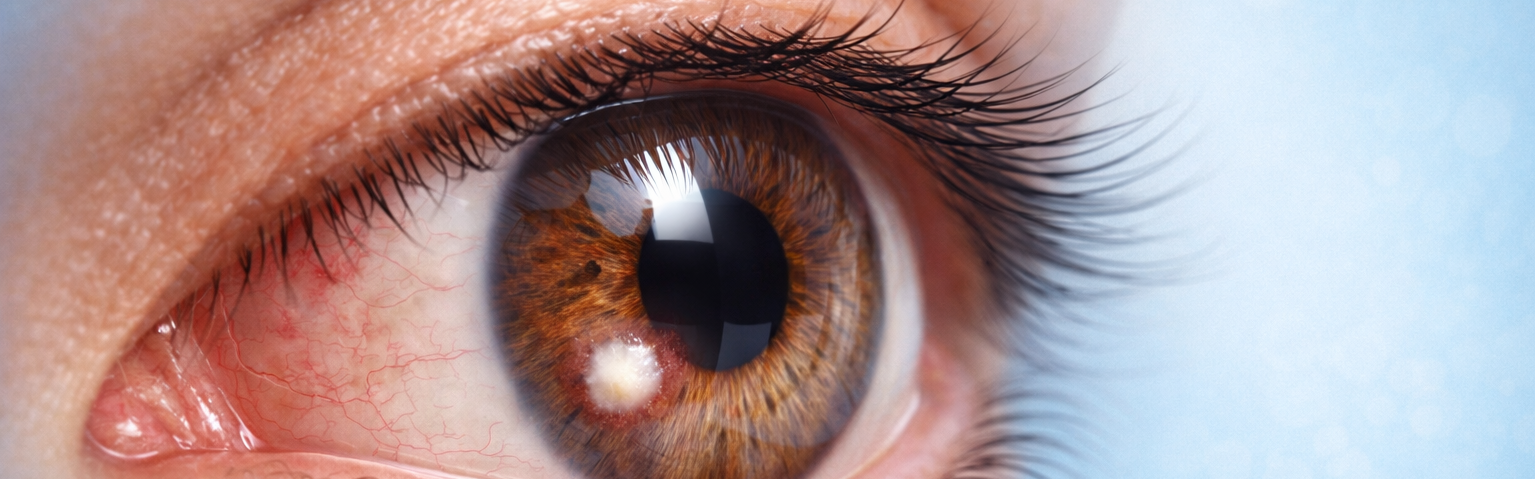
Why Do My Eyes Feel
Dry All The Time?
Burning, stinging, or a gritty feeling? Dry Eye Disease (DED) is more than just discomfort—it affects your vision and productivity. Get expert care in Raipur & Chhattisgarh.
Direct WhatsApp: 7880177784
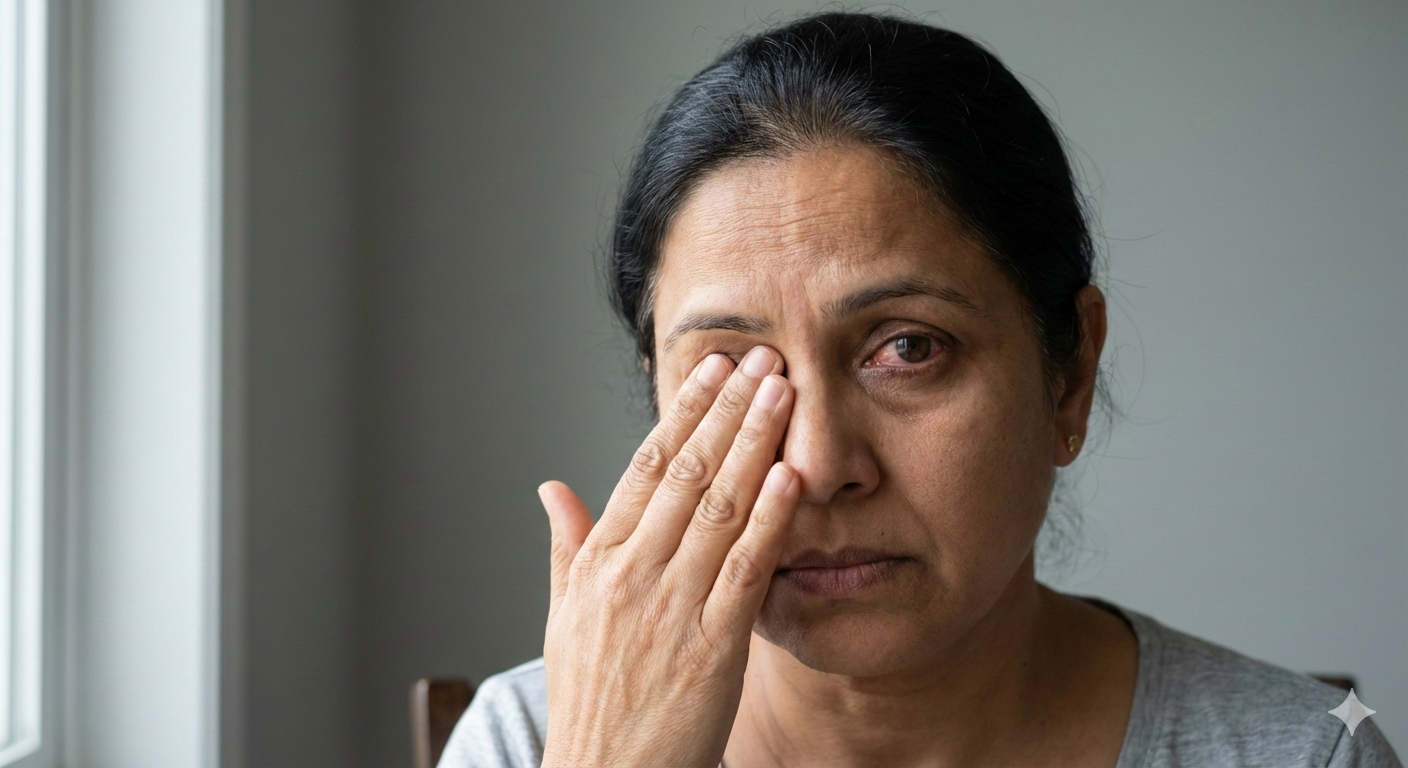
What Is Dry Eye Syndrome?
Dry Eye Syndrome occurs when your eyes do not produce enough tears, or more commonly, when the tears evaporate too quickly. A healthy tear film has three layers: Oil, Water, and Mucus. If the oil layer is blocked (Meibomian Gland Dysfunction), tears dry up instantly.
Fig 1: The 3 layers of healthy tears (Lipid, Aqueous, Mucin). Imbalance here causes Dry Eye.
Why is this happening to me?
💻 Computer Vision
We blink 66% less when looking at screens, causing rapid tear evaporation.
❄️ AC & Environment
Air conditioning and Raipur's dry heat strip moisture from the eye surface.
🕰️ Age & Hormones
Tear production naturally drops after 40, especially in women post-menopause.
💊 Medications
Antihistamines, BP meds, and antidepressants often reduce tear secretion.
Symptoms of Chronic Dry Eye
It's not just "dryness". Watch for these signs:
- Grittiness: Feeling like sand is in your eye.
- Watering: Paradoxically, dry eyes water excessively (reflex tears).
- Fluctuating Vision: Blurry vision that clears after blinking.
- Light Sensitivity: Difficulty driving at night or in bright sun.
- Eye Fatigue: Heavy eyes after reading or computer work.
Expert Tip
The 20-20-20 Rule
To reduce digital eye strain: Every 20 minutes, look at something 20 feet away for 20 seconds. This resets your blink rate and relaxes eye muscles.

Dr. Charudutt Kalamkar (MBBS • MS AIIMS)
Dr. Charudutt Kalamkar is a renowned ophthalmologist with over two decades of experience. He specializes in advanced ocular surface disorders, moving beyond simple eye drops to treat the root cause of Dry Eye.
Why Patients Trust Him: He offers personalized treatment plans that restore long-term comfort and visual clarity.