
Keratitis: Causes, Symptoms & Treatment
Keratitis: Causes, Symptoms & Treatment
Keratitis is the inflammation of the cornea—the clear, dome-shaped surface that covers the front of your eye. Whether caused by infection, injury, or contact lens misuse, it requires immediate professional attention to prevent scarring.
Protect your sight with expert diagnosis and advanced corneal care at SGVEH.

Dr. Amrita Mukherjee
Cornea & Anterior Segment Specialist
MBBS • DOMS • Cornea Consultant (LV Prasad Eye Institute)
Expert in Corneal Transplant (DALK/DSAEK) & Keratitis Management
Raipur, Chhattisgarh, India
What is Keratitis?
Keratitis is more than just "red eye." It is a serious inflammation that affects the cornea's ability to focus light. Left untreated, the inflammation can progress into deep ulcers or permanent opaque scars.
Types of Keratitis
- Bacterial: Common in contact lens wearers.
- Viral: Often triggered by Herpes Simplex.
- Fungal: Usually follows injury with organic matter.
- Non-infectious: Caused by dry eye or UV exposure.
Common Symptoms
- Intense eye redness and irritation
- Sharp, stabbing eye pain
- Sudden blurred or hazy vision
- Sensitivity to light (Photophobia)
- Abnormal tearing or thick discharge
Treatment & Recovery
Advanced medical protocols to resolve inflammation quickly.
Specialized Drops
Fortified antibiotic or antifungal drops tailored to your specific infection type.
Protective Lenses
Therapeutic bandage contact lenses to promote epithelial healing and comfort.
C3R Therapy
Corneal Collagen Cross-linking used in specific infectious cases to stabilize the cornea.
Surgical Care
Advanced corneal transplants (PK/DALK) for cases with severe thinning or scarring.
FAQs – Keratitis Care
Is keratitis a medical emergency?
If you have a painful red eye with blurred vision, yes. It requires immediate evaluation to prevent the formation of a corneal ulcer.
Can I wear contact lenses during treatment?
No. You must stop wearing contact lenses immediately until your specialist confirms the infection has completely cleared.
Is Keratitis contagious?
Infectious keratitis (bacterial/viral) isn't usually "caught" like a cold, but viral forms can be spread through direct contact with eye secretions.
Protect Your Vision
Don't ignore persistent eye redness. Schedule a specialized corneal evaluation today at SGVEH.
corneal Ulcer: Causes, Symptoms & Treatment
Corneal Ulcer: Causes, Symptoms & Treatment
Corneal ulcer is an open sore on the cornea typically caused by infection, injury, or severe dry eye. It is a serious condition that can lead to pain, redness, blurred vision, and light sensitivity. Prompt treatment by a specialist is vital to prevent permanent vision loss.
Early diagnosis and proper treatment can preserve your vision and prevent severe complications.
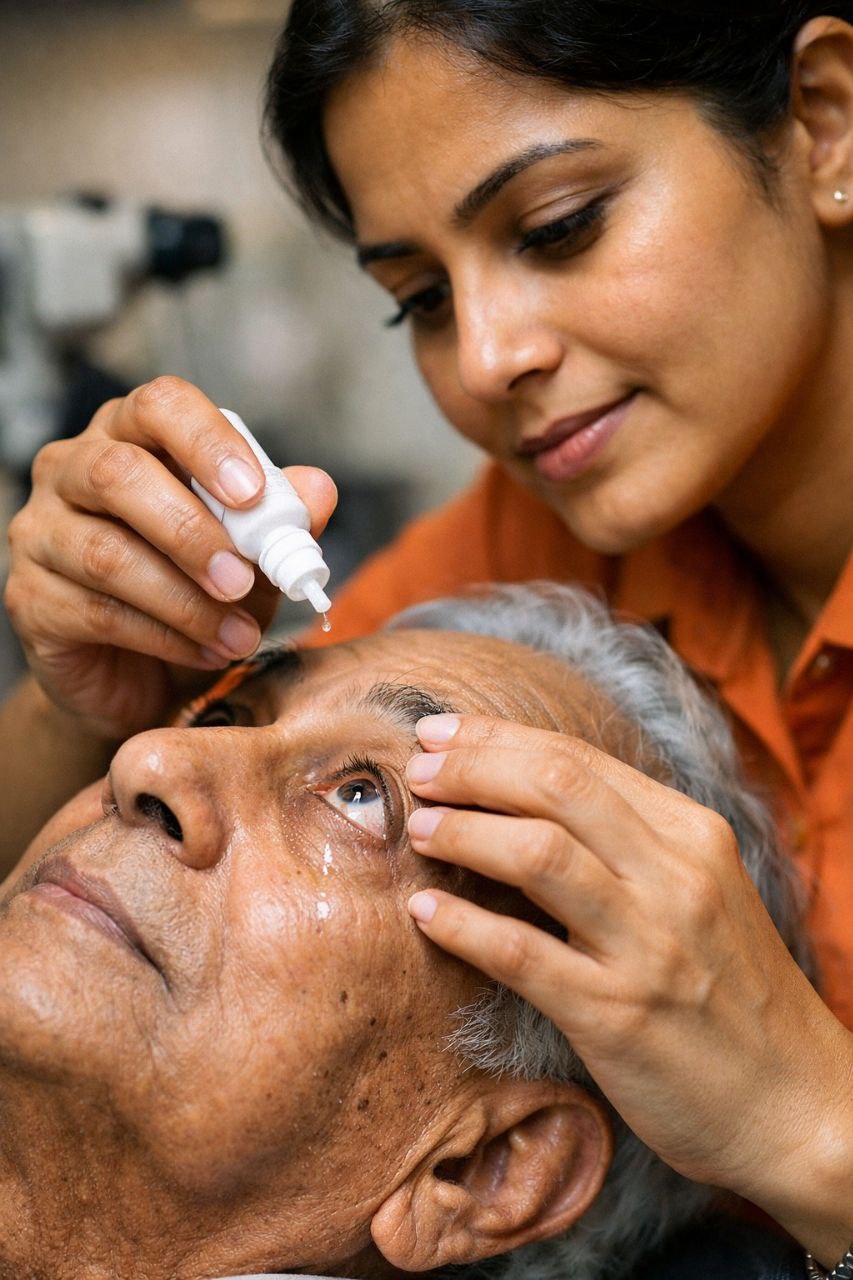
Dr. Amrita Mukherjee
Cornea & Anterior Segment Specialist
MBBS • DOMS • Cornea Consultant (LV Prasad Eye Institute)
Cornea • Corneal Transplant (DALK / DSAEK / DMEK) • C3R
Serving Raipur, Chhattisgarh, India
What is a Corneal Ulcer?
A corneal ulcer is a localized infection or inflammation that damages the outer surface of the cornea. It usually occurs due to bacterial, viral, fungal, or parasitic infections and requires aggressive medical intervention.
Common Causes
- Bacterial, viral (Herpes simplex), or fungal infection
- Contact lens misuse or poor overnight hygiene
- Direct eye injury or trauma
- Severe dry eye disease
- Foreign body lodged in the eye
Key Symptoms
- Severe, persistent eye pain
- Excessive redness and watering
- Blurred or foggy vision
- High sensitivity to light (Photophobia)
- Visible white or gray spot on the cornea
Advanced Treatment Options
Tailored care plans based on the severity and cause of your ulcer.
Antibiotic Drops
Intensive prescription eye drops to aggressively treat bacterial infections.
Antiviral / Antifungal
Targeted medical therapy utilized when the infection is identified as viral or fungal.
Corneal Cross-Linking
An advanced procedure (C3R) used in selected cases to halt infection and strengthen the cornea.
Corneal Transplant
Surgical intervention for severe or advanced ulcers to replace damaged tissue and restore vision.
Frequently Asked Questions
Is a corneal ulcer dangerous?
Yes. Untreated corneal ulcers can rapidly cause permanent corneal scarring, leading to severe vision loss or blindness.
Can a corneal ulcer heal completely?
With prompt and aggressive treatment, many ulcers heal successfully. However, severe cases may leave microscopic to dense scars.
Is contact lens use a risk factor?
Improper contact lens hygiene, sleeping in lenses, or swimming with them are leading causes of bacterial and parasitic corneal ulcers.
When should I see an eye specialist?
You should consult a cornea specialist immediately if you experience sudden eye pain, redness, blurred vision, or intense sensitivity to light.
Seek Immediate Eye Care
If you notice severe eye pain or redness, do not wait. Consult our cornea specialist immediately to protect and preserve your vision.
Keratoconus: Causes, Symptoms & Modern Treatment
Keratoconus:
Advanced Corneal Care
Keratoconus is a progressive condition where the cornea thins and bulges into a cone shape, causing distorted vision and light sensitivity.
Early diagnosis is key. We utilize C3R (Corneal Collagen Cross-Linking) and advanced mapping to stabilize your vision.
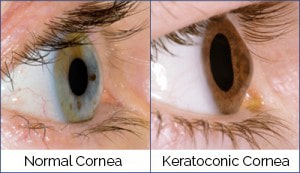
Dr. Amrita Mukherjee
MBBS • DOMS • Fellow (LV Prasad Eye Institute)
A specialist in advanced corneal transplants (DALK/DSAEK) and C3R, dedicated to preserving sight through precision and technology.
Understanding the Condition
Common Symptoms
- Frequent change in spectacle power
- Blurred vision even with glasses
- Halos and glare around lights
- Sudden worsening of vision
Primary Causes
While often genetic, chronic eye rubbing is a significant risk factor. It is most commonly diagnosed in teenagers and young adults.
Modern Treatment Solutions
C3R Therapy
Strengthens corneal fibers to stop the progression of the cone.
Scleral Lenses
Specialty contact lenses that provide crisp vision for irregular corneas.
Intacs Segments
Micro-inserts to flatten the cornea and improve visual acuity.
Corneal Transplant
Advanced DALK procedures for severe cases, replacing damaged tissue.
Frequently Asked Questions
Is Keratoconus permanent?
It is a progressive condition, but with modern treatments like C3R, the progression can be halted permanently, preserving your current vision level.
Can LASIK treat Keratoconus?
No, LASIK is generally avoided for Keratoconus patients as it can weaken the cornea further. C3R or Specialty Lenses are the preferred options.
How long is the recovery for C3R?
Most patients return to light activities within 3-5 days, though full visual stabilization may take a few weeks.
Protect Your Vision Today
Stop the progression of Keratoconus with Raipur's leading cornea experts.
Eye Damage Due to Laser Light
Shri Ganesh Vinayak Eye Hospital (SGVEH)
Eye Damage Due to Laser Light
Laser exposure can occur from industrial devices, medical equipment, laser pointers, or high-energy entertainment lasers. Immediate evaluation is crucial if symptoms appear after laser exposure.
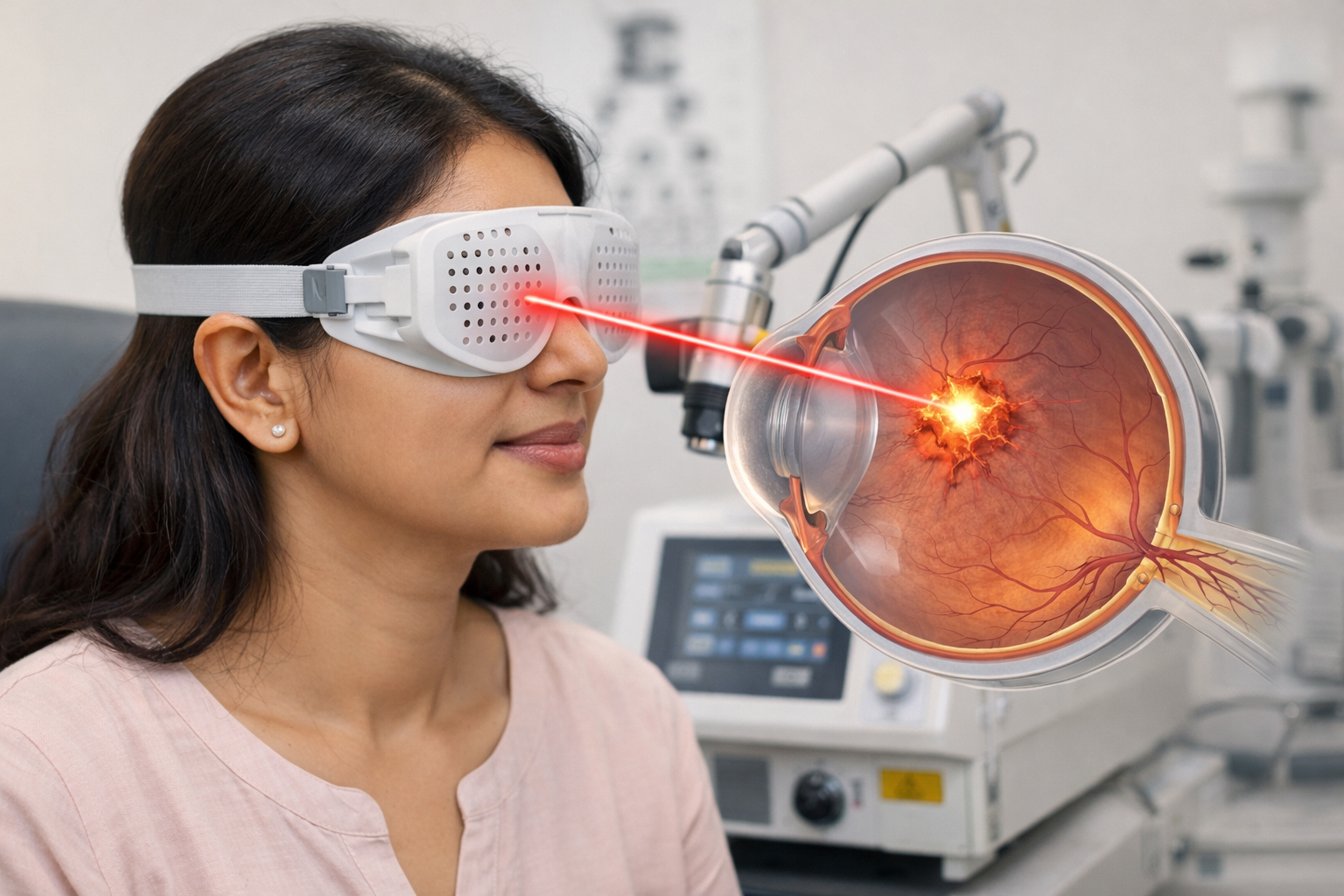
How Laser Light Damages the Eye
[Image of human eye retina anatomy]
- Retinal Burns – High-energy beams can severely burn delicate retinal tissue at the back of the eye.
- Photochemical Injury – Certain wavelengths trigger chemical damage to cellular structures.
- Thermal Damage – Heat generated by focused laser light creates blind spots by destroying retinal cells.
- Optic Nerve Injury – Severe, direct exposure may affect nerve signaling to the brain.
Symptoms of Laser Eye Injury
- Blurred or distorted vision
- Dark or blind spots in your central field of vision (scotomas)
- Severe light sensitivity (photophobia)
- Eye discomfort, watering, or headaches
- Sudden reduction in overall vision clarity
Common Sources of Laser Exposure
Laser Pointers
High-powered handheld pointers (especially green or blue lasers) can damage the retina if misused or reflected into the eyes.
Industrial Lasers
Used heavily in cutting, welding, and manufacturing, requiring strict safety protocols.
Medical Devices
While generally used safely under professional supervision, accidental exposure without protective gear poses a risk.
Entertainment Lasers
Concert or event lasers, particularly at outdoor festivals, may pose a severe risk if directly viewed or pointed into crowds.
Prevention Tips
- Never look directly into a laser beam, even for a fraction of a second.
- Use appropriate, certified protective eyewear in industrial or laboratory environments.
- Strictly supervise children and avoid buying high-powered laser pointers as toys.
- Follow all safety guidelines and warnings when operating laser-equipped machinery.
FAQs – Laser Eye Injury
Can laser light permanently damage the eye?
Yes. High-intensity laser exposure can cause permanent retinal burns, resulting in irreversible blind spots or total vision loss in the affected area.
Are laser pointers dangerous?
Low-power pointers (under 5mW) trigger a natural blink reflex which often protects the eye. However, high-powered lasers can injure the retina before you have a chance to blink.
What should I do if a laser enters my eye?
Do not rub your eye. Seek an immediate comprehensive ophthalmic examination, especially if you experience "afterimages" or vision changes.
Can laser eye injuries heal?
Minor inflammation might subside, improving vision slightly, but actual thermal burns to the macula or retina cause permanent cellular death that cannot heal.
Protect Your Vision Today
If you suspect recent laser exposure or notice sudden vision changes, do not wait. Early evaluation is critical for preventing further complications.
Dr. Anil Gupta – Holistic & Community Ophthalmology Specialist
Director • Shri Ganesh Vinayak Eye Hospital (SGVEH)
Dr. Anil Gupta – Holistic & Community Ophthalmology Specialist
With decades of clinical experience and leadership, Dr. Gupta has been instrumental in expanding quality eye care services across Chhattisgarh through SGVEH’s vast network.

Professional Expertise
Advanced Cataract Surgery
Phacoemulsification & modern, minimally invasive surgical techniques.
Community Ophthalmology
Expanding accessible and affordable eye care in rural & tribal areas.
Comprehensive Eye Care
Accurate diagnosis and management of common and complex eye diseases.
Public Health Vision Programs
School screenings, community outreach, and preventive care initiatives.
Leadership & Contribution
As Director, Dr. Gupta leads the strategic expansion of SGVEH’s vision centers and hospitals, ensuring quality eye care reaches underserved communities. His focus on ethical practice, patient safety, and community outreach has transformed thousands of lives.
FAQs – Dr. Anil Gupta
What are Dr. Anil Gupta’s qualifications?
He holds an MBBS, MS, PhD, FFM and completed his Phaco Fellowship from Sankara Nethralaya, Chennai.
What is his specialization?
He specializes in Holistic & Community Ophthalmology and advanced cataract surgery.
Where does Dr. Anil Gupta practice?
He practices at Shri Ganesh Vinayak Eye Hospital (SGVEH), Raipur, Chhattisgarh.
How can I book an appointment?
You can easily book by calling or sending a WhatsApp message to 7880177784.
Consult a Trusted Eye Specialist in Raipur
Experience expert care under the leadership of Dr. Anil Gupta at SGVEH – Chhattisgarh’s leading eye care network.
Importance of the Cornea: The Window to Clear Vision
Shri Ganesh Vinayak Eye Hospital (SGVEH)
Importance of the Cornea: The Window to Clear Vision
A healthy cornea is essential for sharp, comfortable, and distortion-free vision.
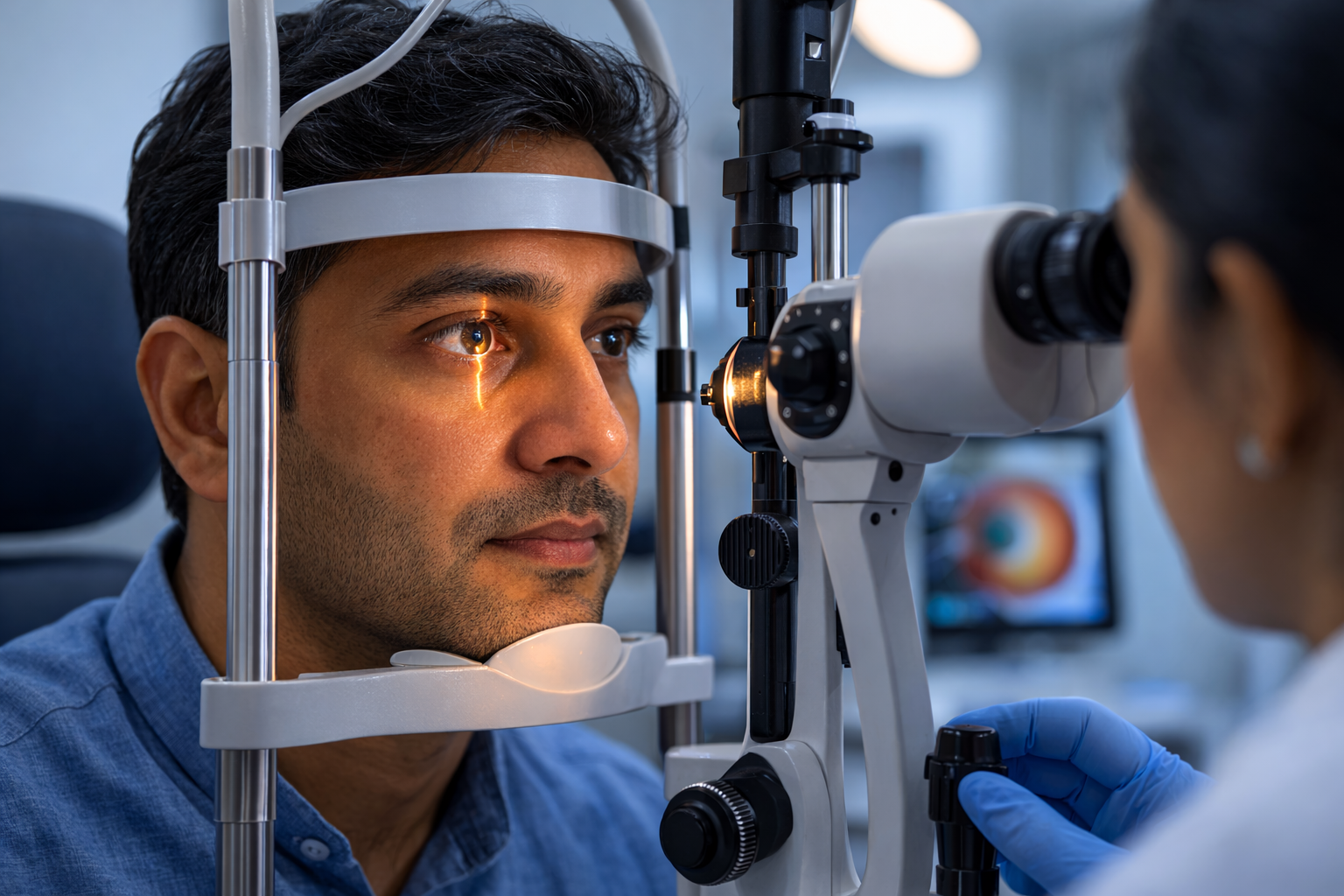
Why is the Cornea So Important?
- Primary Focusing Structure – Bends (refracts) light entering the eye
- Protective Barrier – Shields the eye from dust, germs, and injury
- Maintains Clarity – Transparent structure ensures sharp vision
- Supports Refractive Surgery – LASIK and other vision correction procedures reshape the cornea
Common Corneal Conditions
- Corneal Ulcer (Infection)
- Keratoconus (Irregular thinning)
- Corneal Opacity (Scarring)
- Dry Eye affecting corneal surface
- Corneal Injury or Trauma
How Corneal Health Affects Vision
Clarity
A transparent cornea allows sharp image formation.
Refraction
Correct curvature ensures proper focusing.
Comfort
Healthy surface prevents irritation and dryness.
Light Sensitivity
Damaged cornea increases glare and discomfort.
FAQs – Importance of the Cornea
What happens if the cornea is damaged?
Damage can cause blurred vision, pain, infection, and even permanent vision loss if untreated.
Can the cornea heal itself?
Minor scratches may heal naturally, but deeper injuries require medical treatment.
Is corneal transplant possible?
Yes, corneal transplantation can restore vision in severe corneal damage.
How can I keep my cornea healthy?
Avoid eye injury, treat infections early, maintain hygiene with contact lenses, and get regular checkups.
Protect the Window of Your Vision
Early diagnosis and proper care ensure long-term corneal health and clear vision.
Thyroid-Related Eye Disease (Thyroid Eye Disease)
Shri Ganesh Vinayak Eye Hospital (SGVEH)
Thyroid-Related Eye Disease (Thyroid Eye Disease)
Thyroid imbalance can affect eye appearance and vision. Regular ophthalmic evaluation is important in patients with thyroid disorders.
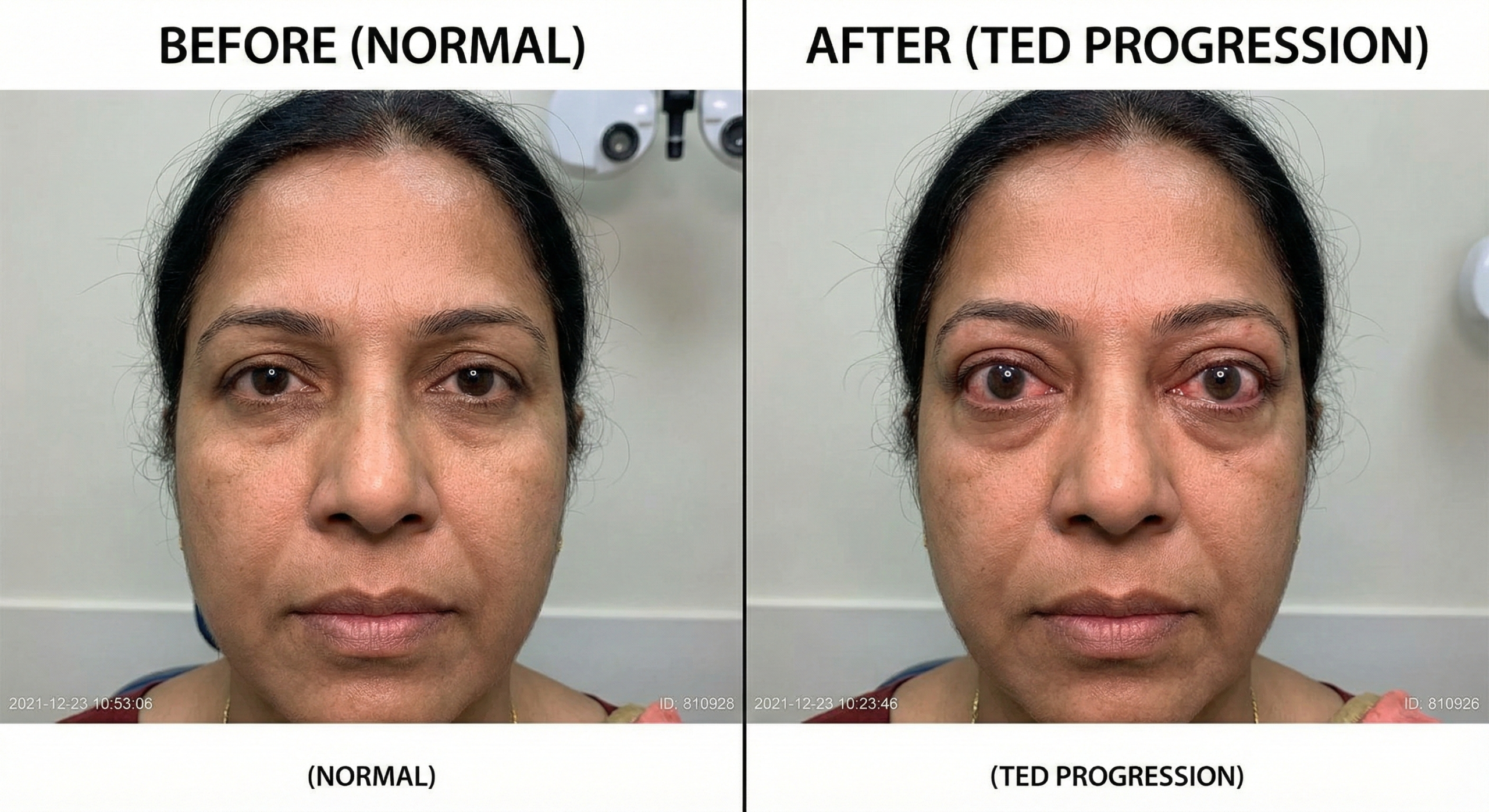
What is Thyroid Eye Disease?
Thyroid Eye Disease occurs when the immune system mistakenly attacks tissues around the eyes. This leads to inflammation, swelling of eye muscles, and fat expansion inside the orbit (eye socket).
Common Symptoms of Thyroid Eye Disease
- Bulging or protruding eyes (proptosis)
- Dryness and irritation
- Redness and swelling
- Double vision
- Light sensitivity
- Difficulty closing eyelids completely
Stages of Thyroid Eye Disease
Active (Inflammatory) Phase
Swelling, redness, pain, and progressive changes.
Inactive (Stable) Phase
Inflammation reduces, but structural changes may persist.
Diagnosis & Treatment Options
Comprehensive Eye Examination
Assessment of vision, eye movement, and optic nerve.
Thyroid Function Monitoring
Coordination with endocrinologist.
Medical Therapy
Steroids or immunomodulatory treatment during active phase.
Orbital Decompression Surgery
For severe bulging or optic nerve compression.
FAQs – Thyroid Eye Disease
Can thyroid disease affect eyesight?
Yes, untreated thyroid eye disease can lead to double vision or optic nerve damage.
Is thyroid eye disease permanent?
Inflammation may subside, but some structural changes may require treatment.
Can TED occur in normal thyroid levels?
Yes, eye symptoms can occur even if thyroid hormone levels are controlled.
When should I consult an eye specialist?
If you notice bulging eyes, redness, double vision, or discomfort.
Protect Your Vision with Early Care
Thyroid-related eye changes are manageable with timely treatment. Early intervention prevents serious complications.
Recurrent Watering in Small Children: Causes & Treatment
Shri Ganesh Vinayak Eye Hospital (SGVEH)
Recurrent Watering in Small Children: Causes & Treatment
Persistent watery eyes in infants and toddlers should not be ignored. Timely evaluation helps restore comfort and normal tear drainage.

Common Causes of Watery Eyes in Children
- Blocked Tear Duct (CNLDO) – Most common cause in infants
- Eye Infection (Conjunctivitis)
- Allergic Eye Disease
- Foreign Body or Irritation
- Congenital Glaucoma (Rare but Serious)
Symptoms Parents Should Notice
- Constant tearing in one or both eyes
- Sticky discharge or crusting
- Redness or swelling
- Child rubbing eyes frequently
Treatment Options
Lacrimal Massage
Helps open blocked tear duct in infants.
Medicated Eye Drops
For infection or inflammation.
Probing Procedure
Simple daycare procedure if blockage persists.
Surgical Correction
Rarely required in complicated cases.
FAQs – Watery Eyes in Children
Is tear duct blockage common in newborns?
Yes, it affects many infants and often resolves naturally with massage.
When should I worry about watery eyes?
If accompanied by swelling, redness, or persistent discharge.
Is the probing procedure painful?
It is a minor daycare procedure performed under anesthesia.
Can watery eyes affect vision?
Usually no, but underlying serious causes must be ruled out.
Ensure Your Child’s Eye Comfort
Early treatment prevents complications and ensures healthy vision development.
Frequently Changing Spectacle Number: Causes & Solutions
Shri Ganesh Vinayak Eye Hospital (SGVEH)
Frequently Changing Spectacle Number: Causes & Solutions
Early diagnosis helps prevent long-term complications and stabilizes vision effectively.
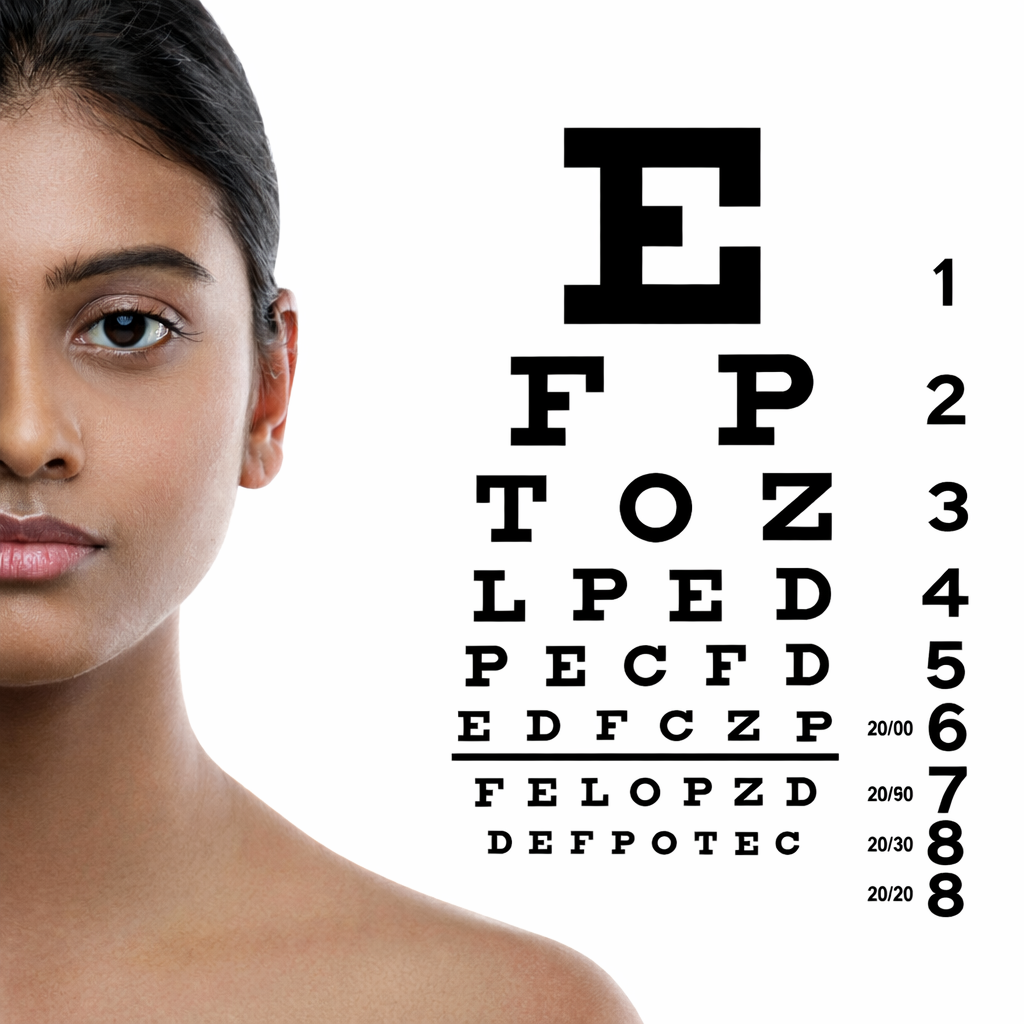
Common Causes of Rapidly Changing Spectacle Power
- Progressive Myopia – Common in children and young adults
- Diabetes – Blood sugar fluctuations affect lens focusing
- Keratoconus – Irregular corneal shape
- Early Cataract – Lens changes alter prescription
- Excessive Screen Usage – Digital eye strain
Warning Signs to Watch
- Blurring despite new glasses
- Frequent headaches
- Eye strain and fatigue
- Difficulty seeing at night
- Sudden change in vision clarity
Diagnosis & Management
Comprehensive Eye Exam
Refraction, corneal topography, retinal evaluation.
Blood Sugar Assessment
For diabetic patients.
Myopia Control Treatment
Special lenses or medical therapy.
Lifestyle Modifications
Screen breaks, outdoor time, proper lighting.
FAQs – Frequently Changing Spectacle Number
Is it normal for spectacle number to change every year?
Minor changes can occur, but rapid or large changes need evaluation.
Can diabetes cause fluctuating vision?
Yes, uncontrolled blood sugar can temporarily alter lens power.
Does screen time increase spectacle number?
Excessive near work may accelerate myopia progression.
When should I consult an eye specialist?
If your prescription changes frequently within 6–12 months.
Stabilize Your Vision Today
Frequent prescription changes may signal an underlying issue. Early evaluation ensures long-term visual stability.
Computer Vision Syndrome (Digital Eye Strain)
Shri Ganesh Vinayak Eye Hospital (SGVEH)
Computer Vision Syndrome (Digital Eye Strain)
With increasing screen time among professionals, students, and children, early awareness and preventive measures are essential to protect long-term eye health.
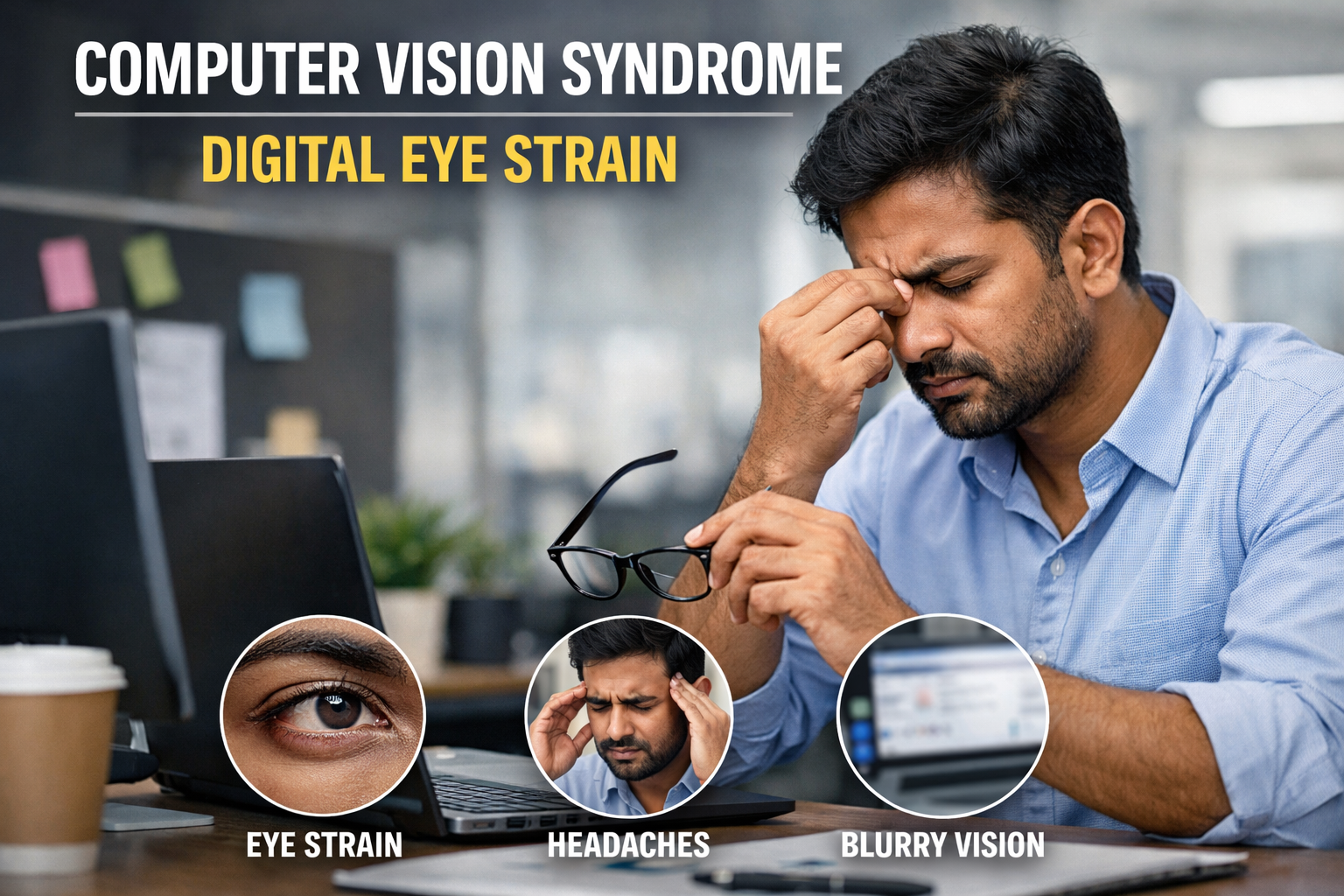
What Causes Computer Vision Syndrome?
- Prolonged screen exposure without breaks
- Reduced blinking while using digital devices
- Poor lighting or screen glare
- Incorrect viewing distance or posture
- Uncorrected refractive error (spectacle number)
Symptoms of Digital Eye Strain
- Eye strain or heaviness
- Dry, burning, or watery eyes
- Blurred or double vision
- Headaches
- Neck and shoulder pain
Prevention & Management
20-20-20 Rule
Every 20 minutes, look at something 20 feet away for 20 seconds.
Proper Screen Position
Keep screen 20-24 inches away and slightly below eye level.
Artificial Tears
Lubricating drops help relieve dryness.
Blue Light Protection
Use anti-glare screens or blue light filters if advised.
Correct Spectacles
Ensure updated prescription for digital work.
FAQs – Computer Vision Syndrome
Is Computer Vision Syndrome permanent?
No, symptoms usually improve with rest, proper screen habits, and treatment.
Can children develop digital eye strain?
Yes, especially with excessive mobile and tablet usage.
Do blue light glasses prevent eye strain?
They may reduce glare and discomfort, but proper breaks are more important.
When should I see an eye specialist?
If symptoms persist despite rest or interfere with daily work.
Protect Your Eyes in the Digital Era
Long screen hours are unavoidable, but eye damage is preventable. Schedule a comprehensive eye checkup today.